
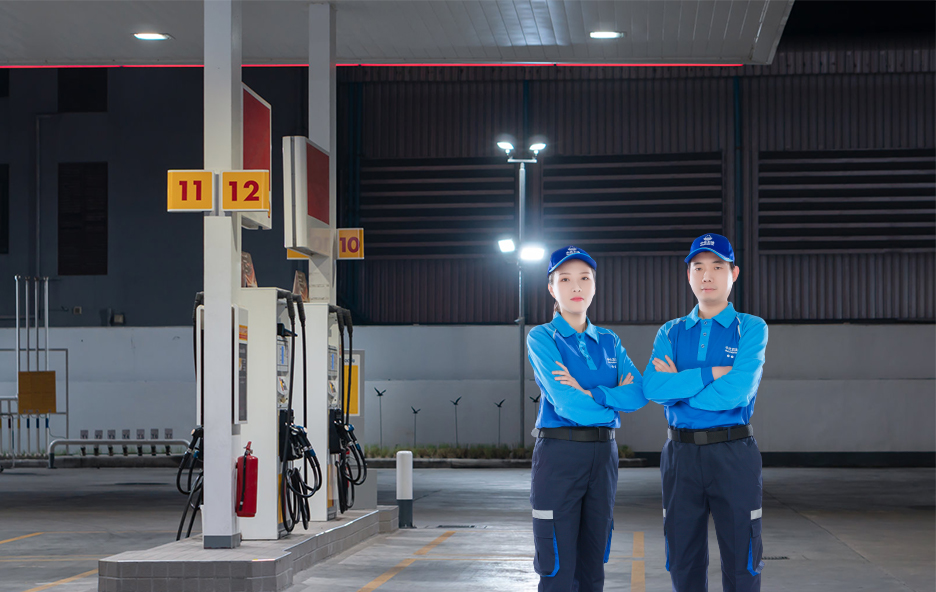
Top China Manufacturer of Wear Protective Clothing for Safety Needs
As a B2B purchaser, I know how important it is to prioritize safety in the workplace. That’s why I insist on using high-quality protective clothing from a trusted manufacturer in China. Our protective attire is designed with your needs in mind, ensuring that you and your team are shielded from hazardous environments. Whether it’s for industrial settings, healthcare, or construction, I’ve found that these garments provide unmatched durability and comfort. The fabrics used are not only strong but also breathable, allowing for ease of movement while maintaining safety standards. When I made the switch to sourcing from a reliable manufacturer in China, I noticed a significant boost in employee satisfaction and productivity. Investing in protective clothing isn’t just about compliance; it’s about showing your team that their safety matters. If you’re looking to enhance your safety protocols while also boosting morale and efficiency, I highly recommend considering this manufacturer’s innovative solutions.
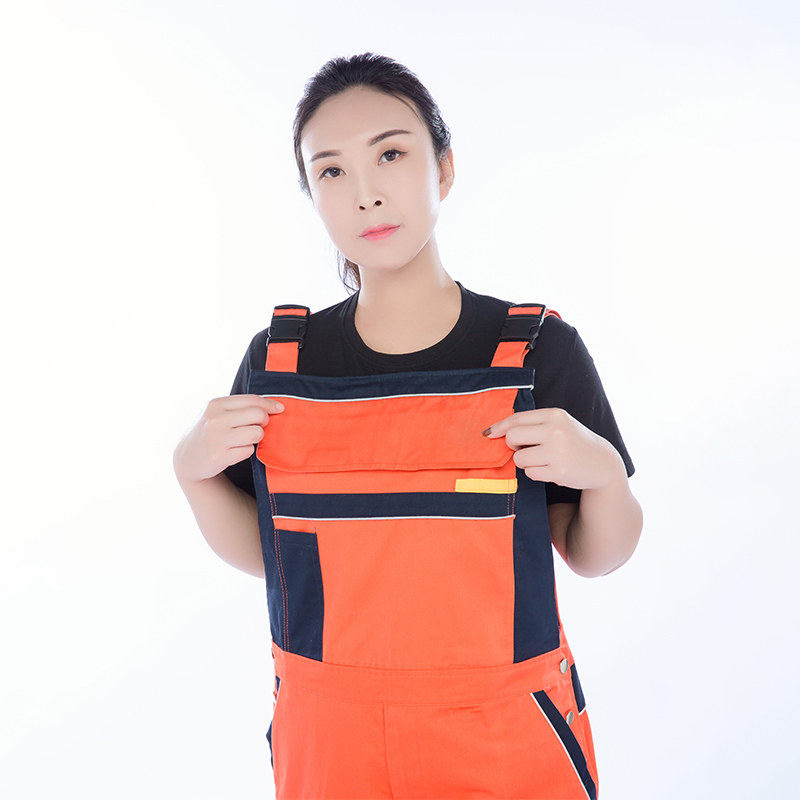

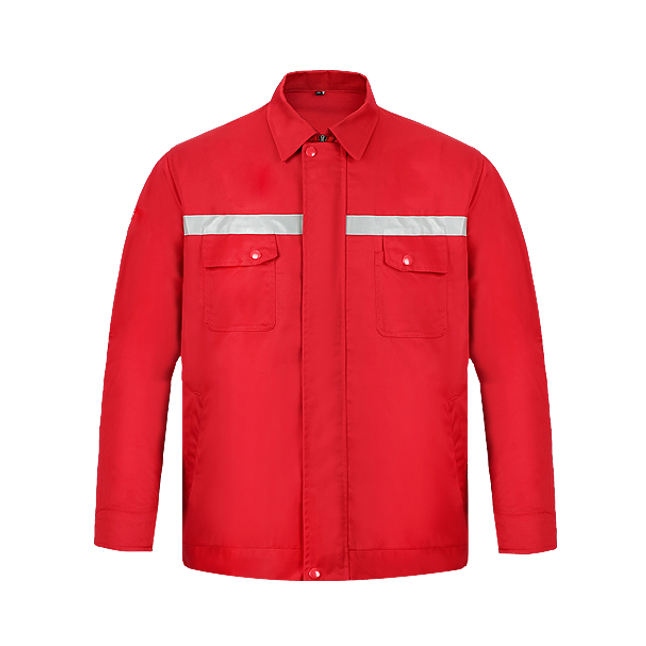


Wear Protective Clothing Stands Out in 2025
As the world continues to evolve in 2025, the importance of protective clothing has never been more pronounced. With industries facing increasing challenges such as safety regulations, environmental concerns, and worker welfare, the demand for high-quality protective apparel is on the rise. Global buyers are now looking for innovative solutions that combine functionality, durability, and comfort, ensuring that workers are not only safe but also able to perform at their best. In this competitive landscape, protective clothing stands out due to advancements in fabric technology and design. Materials that offer enhanced breathability, waterproofing, and chemical resistance are becoming essential in various sectors, from manufacturing to healthcare. Additionally, the trend towards sustainable production practices is reshaping buyer preferences, prompting a shift towards environmentally friendly materials that do not compromise on safety and performance. Establishing partnerships with reliable manufacturers who prioritize quality and innovation is crucial for global procurement agents. By sourcing from companies that understand the intricacies of protective apparel, buyers can ensure they are providing their workforce with products that meet the highest standards of safety while embracing the latest industry trends. As we navigate through 2025, the role of protective clothing in safeguarding lives and enhancing productivity will continue to be a focal point for businesses worldwide.
Wear Protective Clothing Stands Out in 2025
| Category | Type | Material | Features | Usage |
|---|---|---|---|---|
| Head Protection | Helmet | Polycarbonate | Impact Resistance, Adjustable Size | Construction, Mining |
| Body Protection | Coveralls | FR Fabric | Flame Resistant, Breathable | Oil and Gas, Electrical Work |
| Hand Protection | Gloves | Nitrile | Chemical Resistant, Non-Slip Grip | Laboratory, Industrial |
| Foot Protection | Safety Boots | Leather | Steel Toe, Waterproof | Construction, Warehousing |
| Eye Protection | Goggles | Polycarbonate | Anti-Fog, UV Protection | Construction, Chemical Handling |
Related Products

Wear Protective Clothing Application For the Current Year
Top Selling Products
- Related Blog
- Reviews
